
Stinging Nettle Through Generations
The Root and the Remedy

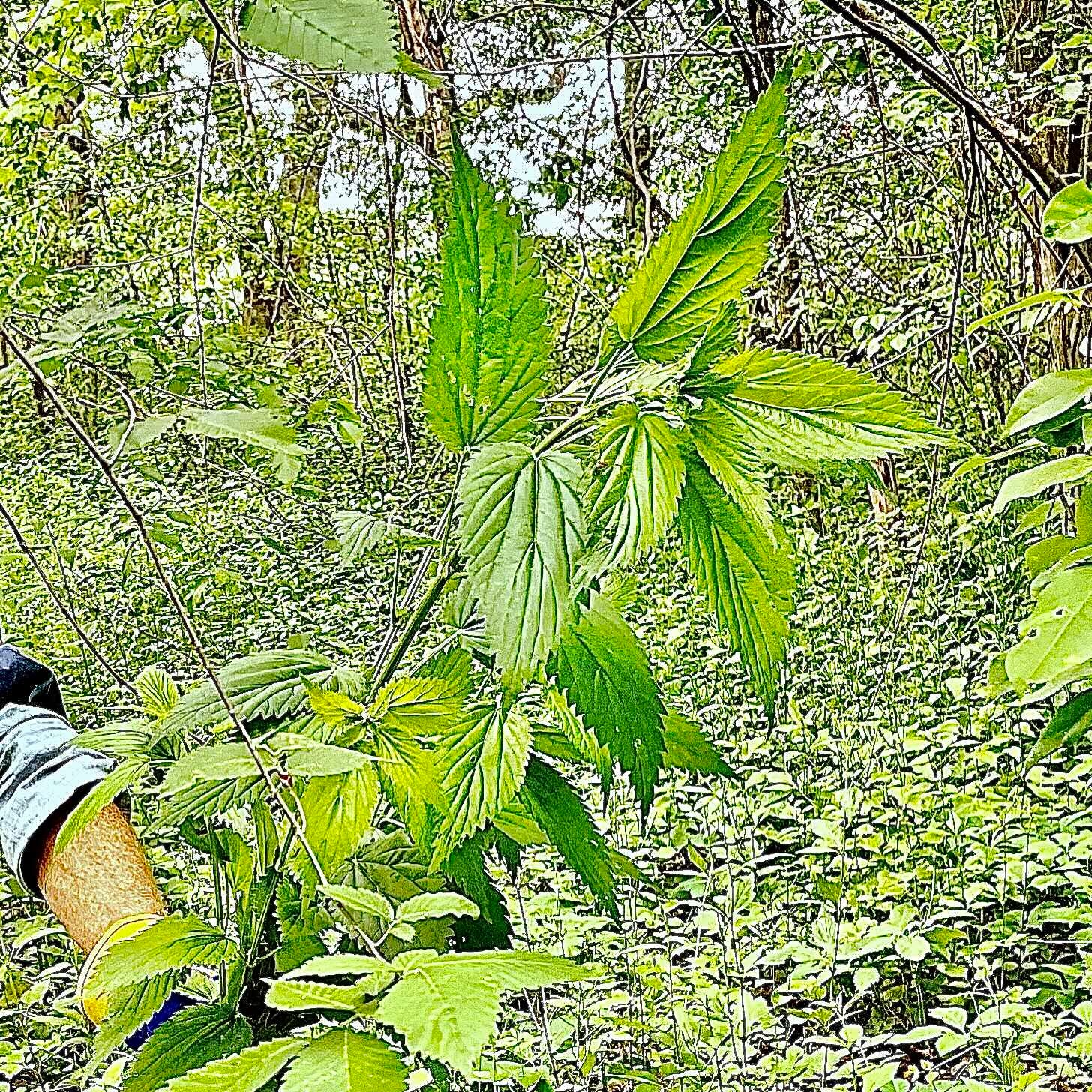
In the wild, uncombed acreage that ringed the family farm, Annette ran barefoot with the careless velocity of the young, learning the geography of the land through the soles of her feet. Her first instructor was the stinging nettle, a dark, upright weed that grew in dense, unforgiving colonies, its pale green flower clusters masking a quiet malice. To brush against it was to invite a sudden, white-hot misery.
Salvation was never far, though it required a different sort of forage. It existed in the tight, wet coils of emerging fiddleheads, whose coiled fronds were shielded by a dry, rust-coloured chaff. Stripped from the stems, this felt-like down offered the only reliable poultice for her burning skin.
Because her education in this particular flora was both frequent and tearful, the household soon revoked “Annette” entirely. She became irreversibly, Nettle. The moniker was reinforced by her father, who noted with dry observation that the girl shared the plant’s defensive posture. She possessed a prickly temperament, he warned, and required handling with kid gloves.
The years, however, softened the antagonism. Nettle eventually returned to the thickets that had once tortured her, no longer a victim but a forager. Armed with heavy canvas gauntlets that reached her elbows, she clipped the tender top leaves before they turned coarse, drying them for a restorative, earthy tea. She viewed the plant not with lingering resentment, but with the quiet gratitude of the initiated.
Aunt Olive, an authority on culinary matters, viewed the natural world through a lens of stark, unsentimental pragmatism and took a shorter route to reconciliation. Armed with a heavy cast-iron pot and a splash of heavy cream, Olive simply gathered the weeds by the armful and boiled them into a dark, sharp soup, turning the family’s old terror into a mid-day meal of earthy, green, velvety minerality.
If Olive’s culinary response to the family curse was a straightforward act of subjection, her grandson approached the thicket with the restless, high-concept ambition of the modern gastronome. To him, the ancestral weed was not a chore to be dispatched or a lingering trauma to be cured with fiddlehead chaff. It was a premium, hyper-local ingredient, the cornerstone of a rustic-chic, farm-to-table, culinary renaissance.
He and his colleagues entered the woods with heavy leather gloves and the discerning eyes of foraging stylists. Where Nettle had cautiously clipped leaves for medicinal infusions, and Olive had tossed armfuls into a boiling pot, the younger generation harvested the tender apical tips with surgical precision.
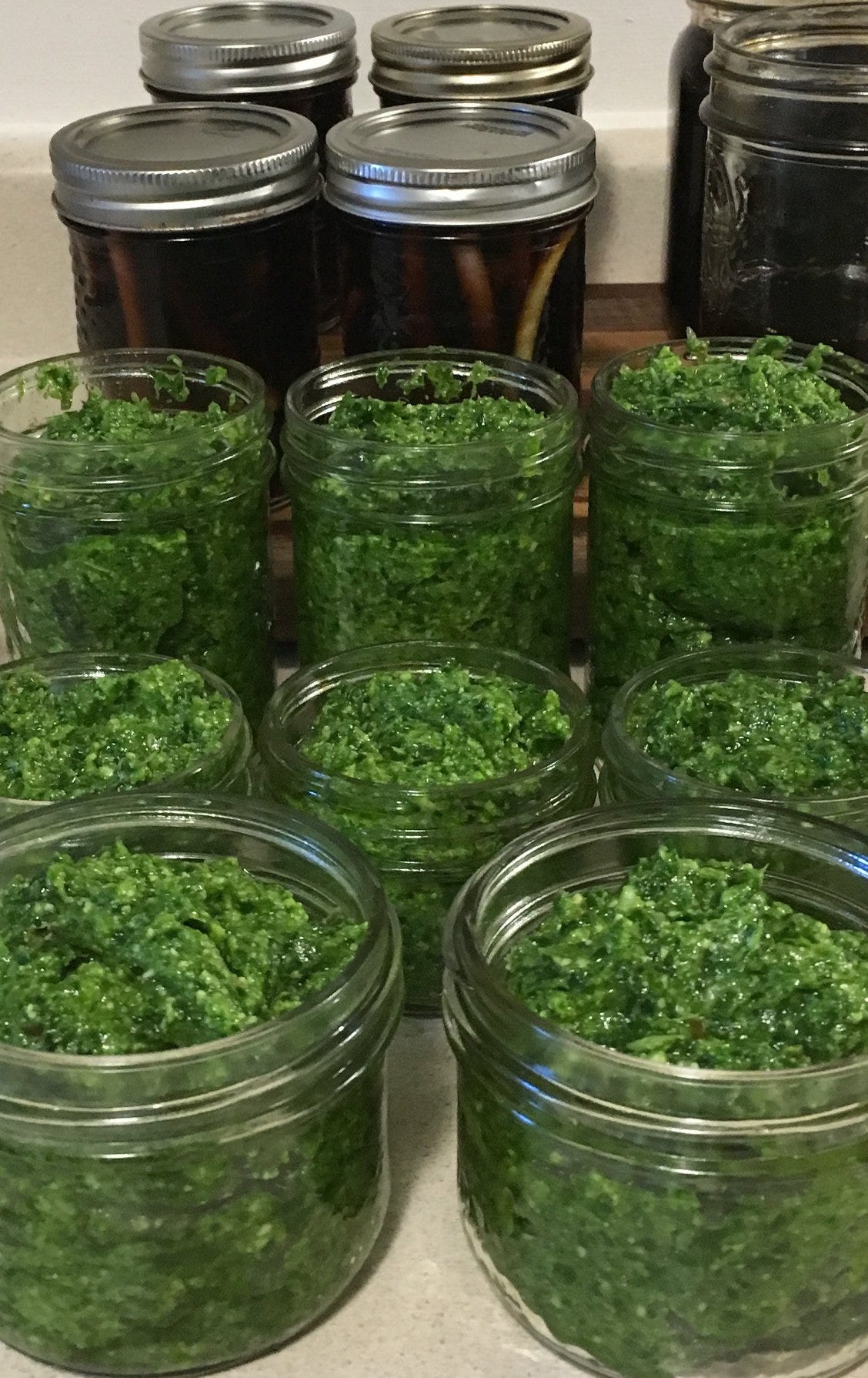
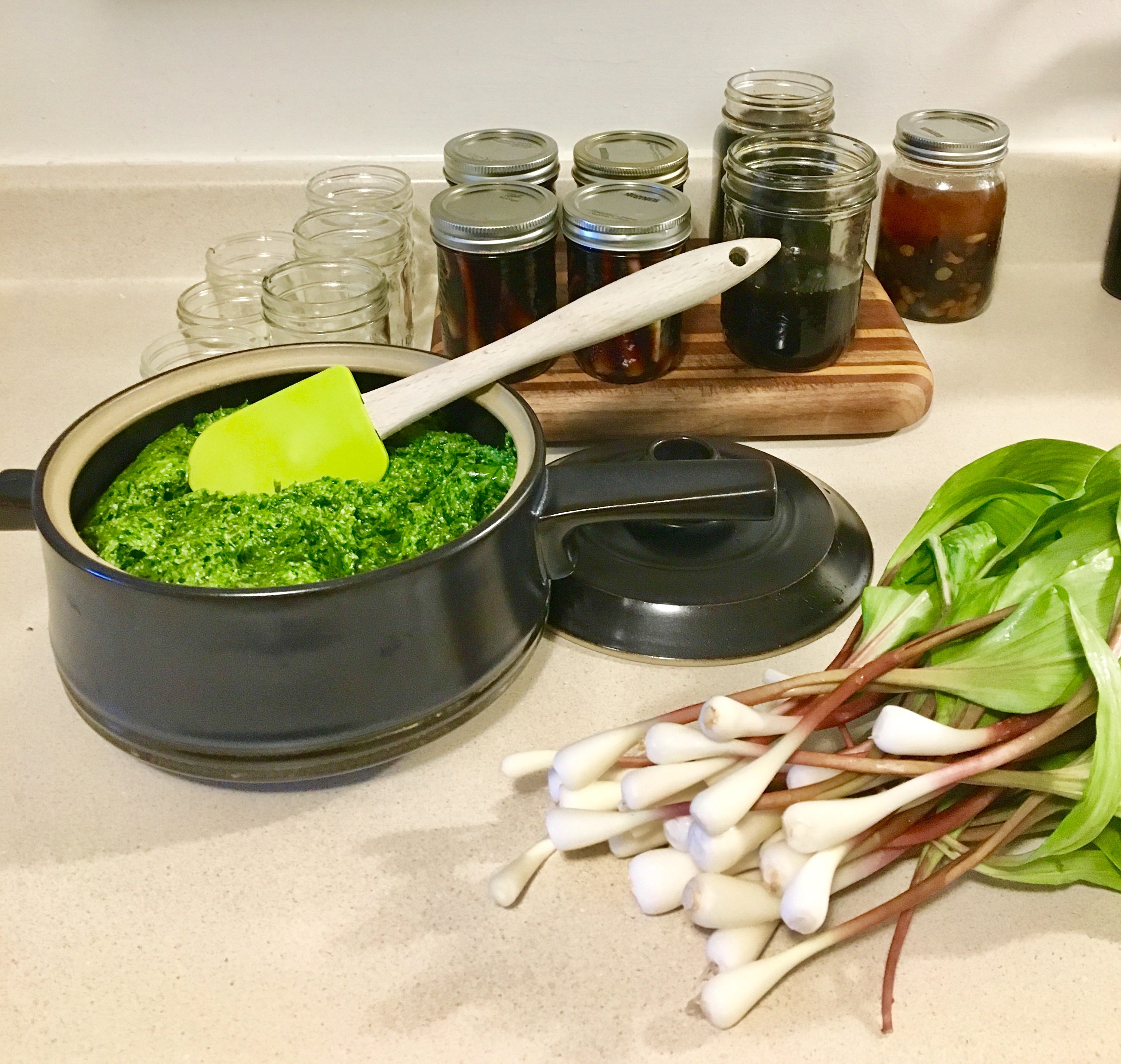
Their first triumph was a vibrant nettle pesto. They blanched the leaves just long enough to neutralize the sting while preserving their brilliant, electric green hue. Blitzed in a food processor with toasted pine nuts, wild garlic, extra-virgin olive oil, and aged Parmigiano-Reggiano dust, the once-feared weed was transformed into a velvety, complex paste, bright, intensely herbaceous, and deeply nutty.
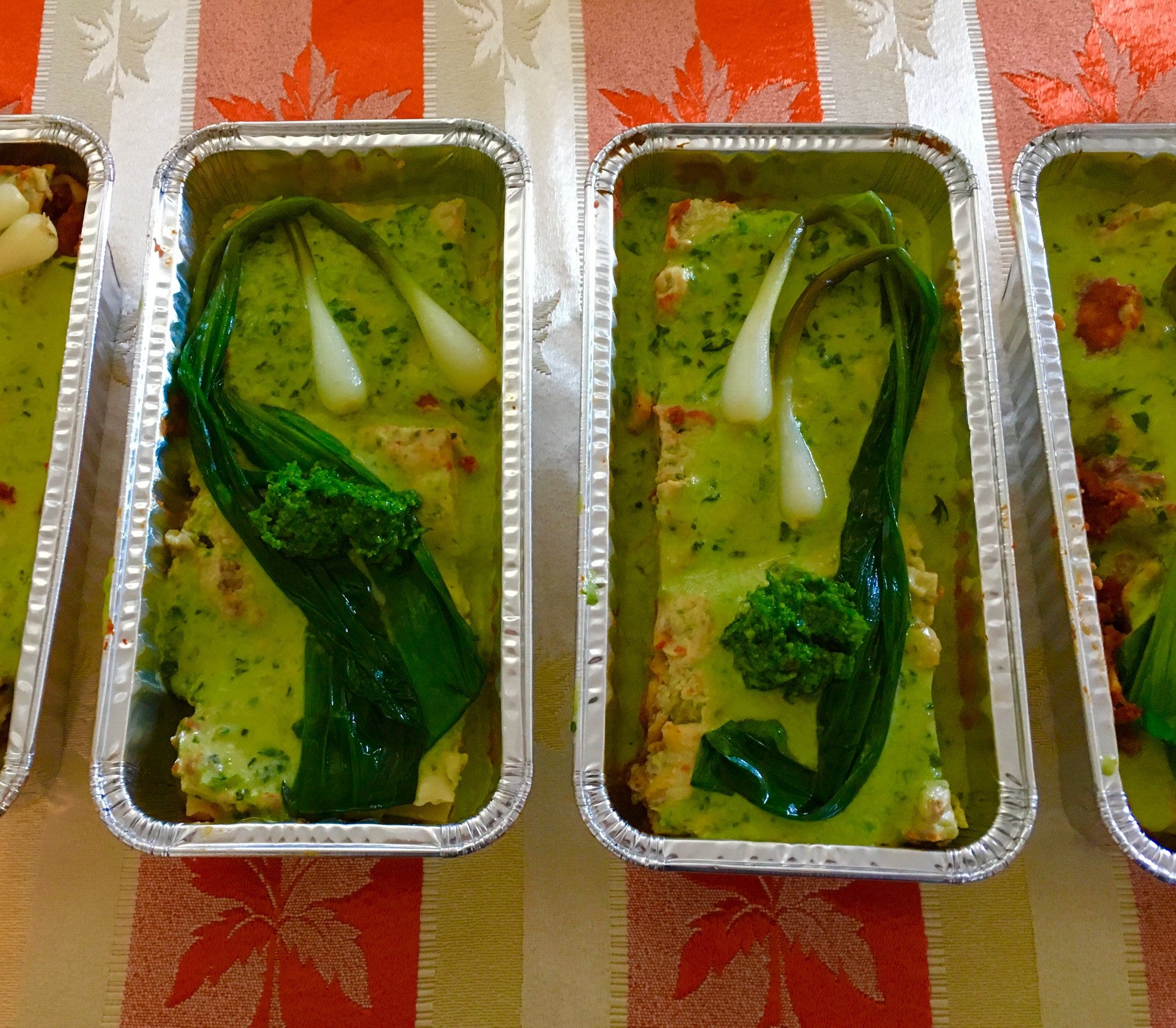
This dark emerald paste served as the foundation for their next masterpiece: a springtime lasagna. In a complete departure from Olive’s simple, rustic cookery, they layered delicate sheets of handmade egg pasta with rich nettle pesto, creamy ricotta, sautéed ramps, and a silky Béchamel sauce that perfectly carried the plant’s subtle, earthy undertones. Baked until the top was bubbly and blistered and garnished with lightly blanched foraged ramps, the dish was a far cry from the potage of Olive’s kitchen.
Finally, there was the bread, a rustic, crusty sourdough infused with the very soul of the woods. The grandson swirled ribbons of the garlicky nettle pesto through the proofed dough just before baking, the heat of the oven releasing a rich, savoury aroma that filled the house.
In their hands, the weed that had once been a source of tears and childhood terror became a high culinary art. Where Nettle had learned to forgive the plant, and Olive had simply eaten it, the grandson celebrated it, turning the family’s old nemesis into the most coveted meal on the table.
It's almost time to go foraging! You inspire me. And jewelweed always seems to grow nearby to sooth the sting.
My Dad taught us the complexities and magic of symbiotic relationships while foraging for morels in the forests of East Gwillimbury. Served alongside with fresh caught smelt from the dark night streams of Holland Landing, we feasted in luxury and blessed ignorance that these times were not meant to last.